


What is the difference between a gearbox and a gearmotor
 Aug 27, 2026|
 View:341
A gearmotor combines an electric motor and a gearbox into one compact unit. A standalone gearbox, however, requires you to attach an external motor separately. This distinction shapes everything from installation to long-term performance.
You will explore definitions, structural differences, efficiency, and cost throughout this guide. Understanding these factors helps you select the right solution for your machinery.
Consider an integrated gearmotor as a modern example. Its integrated design delivers high torque and smooth operation in a single package. You avoid alignment issues that plague separate components. This type of unit exemplifies how integrated designs simplify your drive systems while boosting reliability.
Key Takeaways
A gearmotor combines a motor and gearbox into one unit, saving space and simplifying installation.
Integrated gearmotors achieve higher efficiency (up to 95%) by eliminating coupling losses.
Choose a standalone gearbox for flexibility to swap motors or replace individual parts.
Choose an integrated gearmotor for compact design, lower maintenance, and reduced downtime.
The GNORD S4 series offers various configurations to match specific application needs.
Gearbox and Gearmotor Defined
Gearbox Definition and Function
A gearbox is a mechanical device. It contains gears that control speed, torque, and direction. You use it to modify the power output from a motor. The gearbox itself does not generate power. It requires an external motor to drive it. You must connect the motor separately, often with a coupling. This setup creates a standalone mechanical modifier. You can pair one gearbox with different motors. That flexibility allows you to change performance without replacing the entire unit.
Think of a gearbox as a translator. It takes the motor's raw rotation and converts it into the speed and torque your machine needs. For example, a conveyor might need slow, high-torque movement. A gearbox reduces the motor's fast rotation to achieve that. The gearbox handles the mechanical adjustment. The motor handles the electrical energy conversion. They work together, but they remain separate components. You must align them carefully during installation. Misalignment causes wear, noise, and reduced efficiency. This separation also takes up more space. You need room for both the motor and the gearbox, plus the coupling between them.
Gearmotor Definition and Function
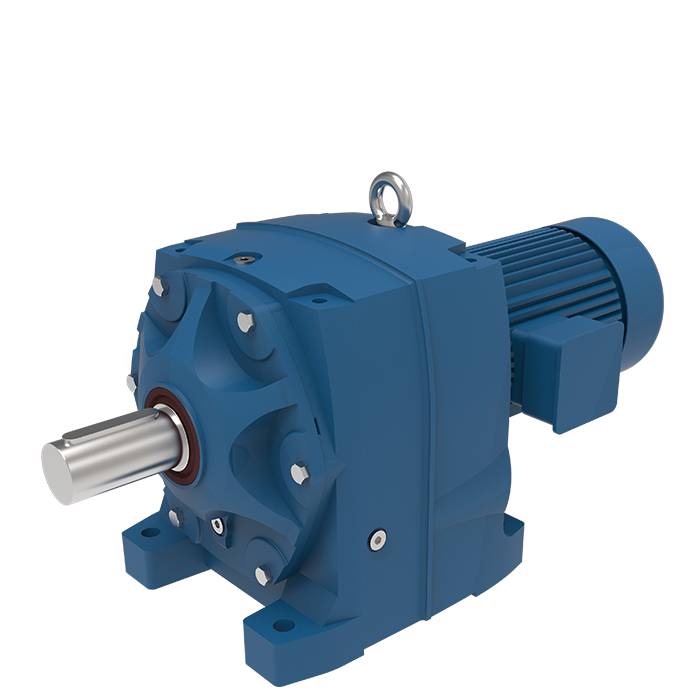
A gearmotor combines an electric motor and a gearbox into one integrated assembly. The motor provides rotational motion. The gearbox modifies speed and torque. This integration means the power source is built directly into the gear housing. You eliminate the need for a coupling. You also remove the alignment challenges that come with separate parts. The result is a compact, self-contained drive unit.
Integrated gearmotors come in various configurations to match different applications. Each variant integrates the motor directly, so you get a single unit ready to mount.
This integrated design delivers practical benefits. You reduce installation time because you skip the coupling alignment step. You also lower the risk of premature failure from misalignment. The gearmotor operates as one cohesive system. The motor and gears share a common housing. This shared structure improves rigidity and reduces vibration. You get smoother operation and longer service life. For many industrial applications, this simplicity proves valuable. You mount the gearmotor, connect the power, and run your machine. No extra components, no complex setup. Integrated gearmotors simplify your drive systems while boosting reliability.
Comparing Gearbox and Gearmotor Performance
Torque, Speed, and Efficiency
When you evaluate drive systems, efficiency becomes a key differentiator. An integrated gearmotor delivers superior efficiency because the motor and gearbox share perfect alignment from the factory. You eliminate the coupling losses that occur in a separate gearbox setup. The motor shaft connects directly to the gear input. No energy transfers through an extra mechanical joint. Integrated gearmotors can achieve high efficiency, with single-stage helical designs often being the most efficient. This efficiency advantage translates directly into lower energy bills over the life of your equipment.
Structural Integrity and Lifespan
The structural design of a gearmotor directly affects its lifespan. Shared housing creates a rigid frame that resists bending and twisting. Integrated gearmotors often use high-strength materials for housings and precision-hardened gears. These processes result in components that withstand heavy loads without fatigue. Main components can last for many years under proper maintenance. Compare this with a separate motor and gearbox. You must align them perfectly during installation. Any misalignment introduces uneven loads. Those loads accelerate wear on bearings, seals, and gear teeth. The integrated design removes this risk entirely. The motor shaft and gear input share one common axis. You never deal with coupling wear or alignment drift over time. This simplicity extends the service life. It also reduces your maintenance workload. You spend less time checking alignment and replacing worn couplings. Integrated construction delivers both strength and longevity.
Cost, Installation, and Maintenance
Installation and Space Constraints
Space often dictates your choice between these two drive solutions. A standalone gearbox demands room for the motor, the gearbox, and the coupling that connects them. You must also leave clearance for alignment tools during setup. This footprint grows quickly in tight machinery layouts. An integrated gearmotor collapses all these components into one compact housing. You mount it directly onto your equipment. Integrated gearmotors simplify this process further. They mount directly onto equipment, and the compact design reduces installation time.
Installation labor also differs significantly. A separate gearbox requires precise shaft alignment. You must center the motor and gearbox perfectly to avoid premature wear. This process takes skill and time. Misalignment leads to vibration, noise, and early bearing failure. An integrated gearmotor eliminates this step entirely. The factory aligns the motor and gears during assembly. You skip the coupling installation and the alignment procedure. Integrated gearmotors mount directly with standard flanges or feet. You connect the power supply and start operating. This simplicity cuts installation labor and gets your machine running faster.
Total Cost of Ownership
The upfront price tells only part of the story. You must consider the total cost over the equipment's lifetime. A standalone gearbox often appears cheaper initially. However, the separate components add hidden expenses. You pay for the coupling, the alignment labor, and the extra installation time. You also manage two maintenance schedules. The motor needs its own checks. The gearbox requires separate lubrication and seal inspections. Each interface introduces a potential failure point.
An integrated gearmotor reduces these ongoing costs. You maintain one unit instead of two. Fewer mechanical interfaces mean fewer parts to inspect and replace. The table below summarizes the key cost differences.
Aspect | Standalone Gearbox | Integrated Gearmotor |
|---|---|---|
Maintenance cost | Moderate to high | Lower |
Downtime risk | Higher due to complexity | Lower |
Installation cost | Higher (alignment, coupling required) | Lower |
Long-term total cost of ownership | Higher in many cases | Often lower |
You must also weigh the replacement strategy. A standalone gearbox allows you to swap individual components. You can replace a worn bearing or seal without touching the motor. An integrated unit may require replacing the entire assembly if one part fails. This trade-off matters for facilities with strong in-house repair capabilities. For most applications, however, the reduced maintenance and downtime of an integrated gearmotor deliver a lower total cost. You spend less time on upkeep and more time producing.
Gearbox vs. Gearmotor: Application Guide
When to Choose a Standalone Gearbox
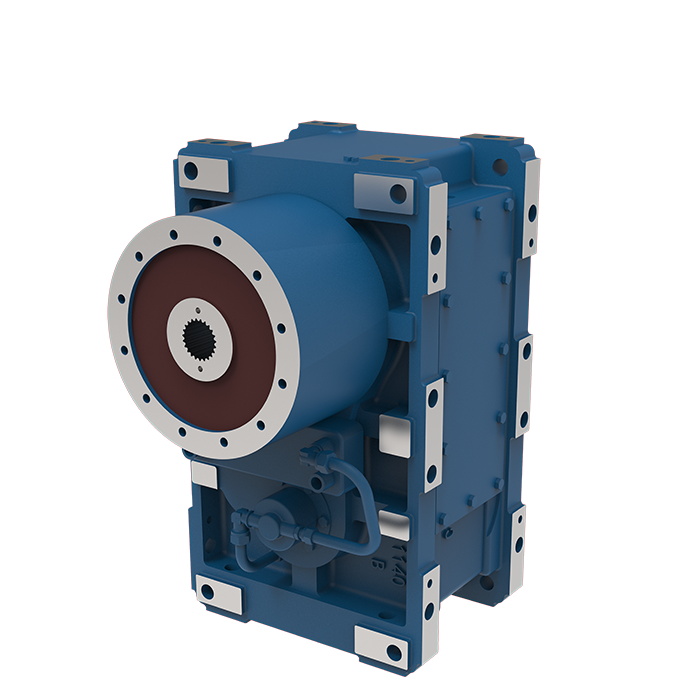
You choose a standalone gearbox when flexibility matters most. Your facility might already have a stock of motors. You can pair one unit with different motors for different tasks. This setup lets you swap motors without changing the unit. Changing the motor speed or power adjusts performance. This modularity suits applications with changing production requirements.
You might also have ample space for separate components. The extra footprint does not cause problems. You can dedicate room to both the motor and the gearbox. This arrangement gives you easier access for maintenance. You can reach each component without disassembling the entire drive.
A standalone unit also works well when you have strong in-house repair capabilities. Your team can replace individual bearings, seals, or gears. They do not need to replace the entire assembly. This approach reduces spare parts inventory. You keep only common parts on hand. You also avoid the cost of replacing a motor when only the gear section wears out. This independence saves money over time when only one component fails. You also use this setup when you need to change gear ratios frequently. You keep several units in stock and swap them as needed. This approach works for facilities with multiple production lines.
When to Choose an Integrated Gearmotor
You choose an integrated gearmotor when space and simplicity are priorities. The compact design fits into tight machinery layouts. You eliminate the coupling and the alignment process. This integration saves time during installation. It also reduces future maintenance. Integrated gearmotors offer several variants to match your specific application.
Inline helical gearmotors work well for conveyors and material handling systems. Their straight-line design fits into narrow spaces. The high efficiency reduces energy costs. You get smooth operation with minimal vibration.
Bevel gear types suit right-angle power transmission. They are used for packaging machines and automation equipment. You can route power around corners without extra components. The compact right-angle design saves space in tight areas. You maintain high torque output in a small footprint.
Parallel shaft gearmotors handle heavy loads in industrial machinery. They are used for mixers, agitators, and large conveyors. The low-profile design fits under equipment or in confined spaces. The robust housing withstands shock loads. You get reliable operation even in demanding conditions.
Worm gear gearmotors deliver high reduction ratios in a small package. You choose this variant for applications needing slow speed and high torque. Examples include hoists, winches, and positioning systems. The worm gear design provides self-locking capability. This feature prevents back-driving when the motor stops.
For robotics and automation, the integrated gearmotor provides the precision you need. The factory alignment ensures consistent performance. You avoid the backlash and wear from separate coupling systems. The quiet operation of many gearmotors reduces noise in sensitive environments. Some gearmotors allow customization to meet specific application needs, reducing lead times.
Heavy machinery benefits from the integrated design as well. The shared housing resists vibration and misalignment. You get longer service life from the main components. Long lifespan means fewer replacements. You spend less time on maintenance and more time on production.
Your decision depends on your specific needs. Consider space, modularity, maintenance capabilities, and performance requirements. Integrated gearmotors can meet diverse industrial needs. You can select the right variant for your application and simplify your drive system.
Your choice between a standalone gearbox and an integrated gearmotor depends on your priorities. A separate gearbox offers flexibility for swapping motors and replacing individual parts. An integrated gearmotor delivers compact installation and reduced maintenance. You must weigh space constraints, repair capabilities, and efficiency needs carefully.
Integrated gearmotors demonstrate how integrated design simplifies your drive system. You gain factory-perfect alignment and high efficiency. You avoid coupling wear and alignment drift entirely.
Review your application requirements before deciding. Consult technical specifications for torque, speed, and mounting options. Consider an integrated gearmotor for your next project. Its proven performance can drive your success.
FAQ
Can I use a gearmotor for right-angle power transmission?
Yes. Some gearmotors include bevel gear types specifically for right-angle applications. These variants route power around corners without extra components. You maintain high torque output in a compact footprint. Packaging machines and automation equipment commonly use this configuration.
How much maintenance does an integrated gearmotor need?
An integrated gearmotor requires less maintenance than a separate gearbox and motor. You maintain one unit instead of two. Fewer mechanical interfaces mean fewer parts to inspect. Many gearmotors use precision-ground gears and durable housings. Main components can last for a long time with proper care.
What efficiency can I expect from a gearmotor?
Single-stage helical gearmotors can achieve high efficiency. Worm gear types also offer good efficiency. These figures represent power that reaches your load rather than turning into waste heat. Higher efficiency means lower energy bills over time.
Can I customize a gearmotor for my specific application?
Yes. Some gearmotors allow customization to meet specific application needs. You can adapt the unit quickly without ordering a completely new product. This flexibility reduces lead times and gets your equipment running faster.
Do gearmotors operate quietly?
Yes. Many gearmotors use optimized gearing geometry and precision finishing. These design features ensure smooth and low-noise running, even under heavy loads. This quiet operation suits sensitive environments like robotics and automation facilities.


