


How does gear box work
 Jul 21, 2026|
 View:679
A gear box changes the speed and force from an engine to match what you need for driving or running machines. You use a gear box to make cars go faster or slower, or to help heavy machines work with less effort. When you understand how gear boxes work, you can:
enjoy smoother driving and better fuel efficiency,
keep machines running smoothly,
reduce breakdowns, and
improve how quickly equipment responds.
Key Takeaways
A gear box controls speed and torque, making machines run efficiently and smoothly.
Understanding gear ratios helps you choose the right gear for different tasks, balancing speed and power.
Regular maintenance of gear boxes prevents breakdowns and extends the life of your equipment.
Different types of gear boxes, like manual and automatic, offer unique benefits for various driving needs.
High-quality materials in gear boxes enhance performance and reduce the need for frequent repairs.
Gear Box Basics
What a Gear Box Does
You use a gear box to control how fast and how strong a machine moves. The gear box connects the engine or motor to the wheels or other parts that need power. When you shift gears, you change the speed and force that reach the output. This lets you drive a car smoothly or run heavy equipment with less effort.
A gear box works by changing the gear ratio. The gear ratio depends on the number of teeth on each gear. If you select a lower gear, you get more torque and less speed. If you choose a higher gear, you get more speed and less torque. This trade-off helps you match the power to the job.
Tip: You can use a gear box to make machines run at the right speed and strength for different tasks.
Here are some main functions of a gear box in industrial machinery:
Altering the rotational speed of the output shaft.
Increasing or decreasing speed for optimal performance.
Amplifying torque to improve load handling and efficiency.
Adjusting rotational speed of industrial equipment.
Amplifying output torque.
Altering the direction of power transmission.
Power Transfer and Torque
You rely on a gear box to transfer power from the engine to the wheels or other parts. The gear box takes the high-speed rotation from the engine and turns it into a slower, stronger motion. This process lets you move heavy loads or start from a stop without trouble.
The principle behind gear box operation is the trade-off between speed and torque. When you reduce speed, you increase torque. This follows the law of conservation of energy. The input power equals the output power, except for losses from friction and heat.
You can see how a gear box helps in power transfer and torque multiplication in the table below:
Function | Description |
|---|---|
Speed Adjustment | Regulates high-speed rotation from the engine to a slower, powerful motion for machinery. |
Torque Increase | Converts high-speed, low-torque from the motor to low-speed, high-torque for heavy loads. |
Power Transmission | Smoothly transmits power from the motor to the equipment, ensuring efficient operation. |
Direction Change | Allows for output shaft rotation in various directions based on gear combinations. |
Space Adaptation | Configures to fit limited installation spaces with various designs. |
Self-Locking | Unique to worm gearboxes, preventing reverse motion from the load to the motor. |
You see torque multiplication most clearly in first gear. First gear gives you the highest torque because it reduces speed the most. This helps you start moving or climb steep hills. In vehicles, gear reducers improve drivetrain efficiency and axle performance. In industries like mining and material handling, high torque gearboxes help you handle heavy loads with ease.
Gear reducers are vital in vehicles for enhancing drivetrain efficiency.
They improve axle performance and torque multiplication.
They enable controlled motion and higher torque transmission, essential for load handling.
You use a gear box to make sure your machine gets the right amount of power and torque for the job. This keeps your equipment running smoothly and helps you avoid breakdowns.
Gear Box Components
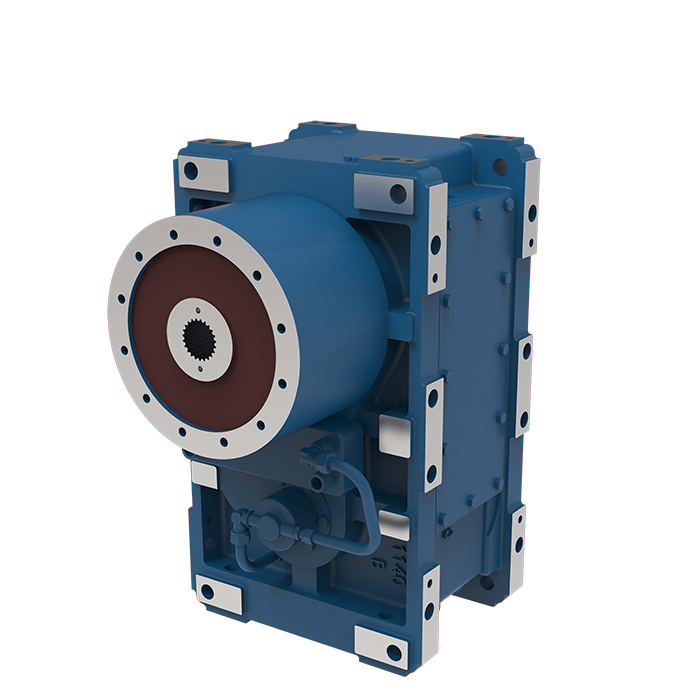
Gears and Shafts
You find gears and shafts at the heart of every gear box. Gears transfer power and change speed or torque. Shafts hold the gears and connect them to the engine and output. High-quality gears and shafts, like those made from alloy steel, give you a tough surface that resists wear and a strong core that stands up to heavy loads. GNORD Gearbox Series uses materials such as 20CrMnTi carburizing steel and SAE 8620 alloy steel. These materials help gears handle high torque, sliding contact, sudden impacts, and long-term stress. You get reliable performance even in harsh industrial environments.
Tip: Strong gears and shafts keep your machines running longer and reduce the risk of breakdowns.
Here is a table showing common gear box components:
Component Name | Description |
|---|---|
First Shaft – Transmission | Connects to the clutch housing and engages with the clutch disc. |
Input Gear – First Shaft | Transfers engine torque to the transmission’s counter-shaft. |
Main Bearing System | Supports the input shaft under load. |
Circlip and Gasket System | Controls end-play for precise alignment. |
Oil Seal – First Shaft | Keeps transmission oil inside the housing. |
Bushing | Provides front support for the main shaft and ensures smooth operation. |
Clutch and Synchronizer
You use the clutch to connect or disconnect the engine from the gear box. This lets you change gears smoothly. The synchronizer helps match the speed of the gears before they engage. You avoid grinding noises and get a smooth shift. GNORD gear boxes use precision synchronizers and robust clutch systems. These features make gear changes easy and protect the gears from damage.
Housing and Seals
The housing protects all the internal parts. GNORD Gearbox Series uses ductile iron housings for extra strength and impact resistance. Advanced seals and gaskets keep oil inside and block dirt or moisture. Specialized sealants absorb shock and resist vibration. You get a perfect seal, even if the housing surface is not smooth. These features make maintenance easier and keep your gear box running efficiently.
Note: Durable housing and advanced seals help your gear box last longer and reduce maintenance needs.
Types of Gear Box
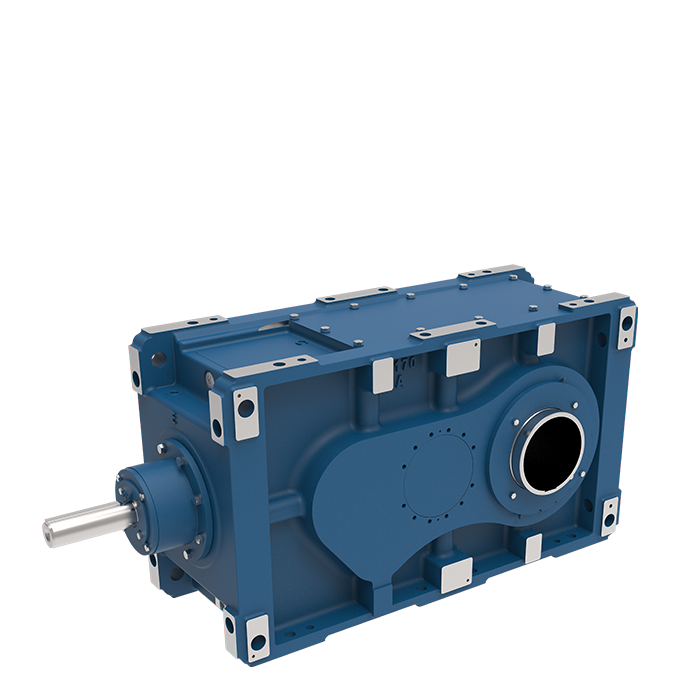
Manual Gear Box
You control a manual gear box by moving the gearstick and pressing the clutch pedal. This lets you choose the right gear for your speed and power needs. Manual gear boxes have a simple design, so you can maintain them easily. You often find them in cars that cost less and in vehicles where you want more control.
Here is a table comparing manual and automatic gear boxes:
Feature | Manual Gearbox | Automatic Gearbox |
|---|---|---|
Control | You select gears with gearstick and clutch | Gears shift automatically |
Complexity | Simple design, easy to maintain | Complex, needs more maintenance |
Cost | More affordable | More expensive |
Usage | Common in budget-friendly vehicles | Preferred for convenience |
Tip: Manual gear boxes give you direct control, which helps you learn how your vehicle responds to different gears.
Automatic Gear Box
You use an automatic gear box when you want the car to shift gears for you. The system senses your speed and adjusts gears without your input. Automatic gear boxes make driving easier, especially in heavy traffic.
Automatic gear boxes manage gear changes for you, making driving simple.
The torque converter helps transfer power smoothly.
Electronic systems adjust gears based on driving conditions.
You get seamless transitions between gears, which makes your ride comfortable.
You spend less effort in stop-and-go traffic.
Note: Automatic gear boxes help you focus on the road and enjoy a smoother drive.
Specialized Gear Boxes
You find specialized gear boxes in heavy industry and advanced machinery. These gear boxes handle unique tasks and tough conditions. GNORD offers a wide range, including the S4 Gear Motor, HB Gear Box, CZ08 Gear Box, and custom solutions for injection molding and extruders.
Here is a table showing specialized gear boxes and their features:
Gearbox Type | Features | Applications |
|---|---|---|
Single-Stage Planetary Gearbox | Compact, lightweight, efficient | Robotics, automation, conveyors |
Multi-Stage Planetary Gearbox | High torque in a small space | Cranes, wind turbines, heavy-duty machinery |
Inline Planetary Gearbox | Simple, reliable | Mixers, pumps, packaging machines |
Right-Angle Planetary Gearbox | Fits tight layouts | Robotic arms, conveyors |
High-Precision Planetary Gearbox | Smooth, accurate movements | CNC machines, aerospace, medical equipment |
Helical Planetary Gearbox | Quiet, efficient | Printing, packaging equipment |
Custom Planetary Gearbox | Tailored for special needs | Specialized automation, defense |
Note: GNORD gear boxes use advanced materials and designs to deliver durability and performance in demanding environments.
Gear Box Applications and Benefits
Industrial and Automotive Uses
You see gear boxes in many industries and vehicles. In cars and trucks, you use them to control speed and power for smooth driving. In factories, you find them in machines that move heavy loads or run nonstop. GNORD Gearbox Series works well in tough places like mining, manufacturing, and renewable energy. You can check the table below to see how different industries use gear boxes and what benefits you get:
Industry | Applications | Primary Benefits |
|---|---|---|
Mining and Aggregate | Crusher drives, conveyor drives, hoist applications | Handles heavy shock loads, works in dust, supports long use |
Grain Handling | Conveyors, bucket elevators, hammer mills | High service factors, strong shock tolerance, runs nonstop |
Water & Wastewater | Pump drives, mixer drives, screw conveyors | Runs all the time, resists corrosion, prevents big failures |
Wind Energy | Planetary helical gearboxes | Handles changing loads, uses advanced monitoring |
Pulp and Paper | Refiner drives, pulper drives, conveyor drives | Runs in high humidity, reduces downtime |
You rely on gear boxes to keep machines working safely and efficiently in these settings.
Advantages and Drawbacks
You get many benefits from using a high-quality gear box. GNORD gear boxes use strong materials and smart designs. This means you enjoy:
High efficiency, with less energy lost as heat.
Reliable operation, even under heavy loads.
Low noise, thanks to precise gear shapes.
Less maintenance, because of advanced seals and imported bearings.
Long service life, which saves you money over time.
You can see how gear boxes help in mining and manufacturing in the table below:
Benefit | Description |
|---|---|
High Efficiency | Over 95% of power gets through, so you waste less energy. |
Reliability | Even load sharing means less wear and longer life. |
Reduced Maintenance | Good design lowers repair costs and downtime. |
Improved Power Transfer | Handles high torque smoothly for big machines. |
Longer Service Life | Strong gears last longer, even in tough jobs. |
You should know about some common issues. Problems can happen if you overload the gear box, use the wrong oil, or skip maintenance. Most failures come from poor lubrication or dirty oil. You can avoid these by checking oil levels, using the right lubricant, and watching for noise or vibration. Modern gear boxes, like those from GNORD, use smart designs to reduce noise and make maintenance easier. Regular checks help you spot problems early and keep your machines running.
Tip: You can prevent most gear box problems with good maintenance and early checks.
You now know how a gear box helps you control speed and torque in cars and machines. Understanding gear box operation helps you choose the right equipment, avoid breakdowns, and save money over time.
You should check load needs, output speed, and maintenance schedules when picking a gearbox for your project.
Good care prevents costly repairs and keeps your machines running.
A gear box boosts torque so your equipment can handle heavy work without straining the motor.
New technology makes gearboxes smarter and more efficient, helping you work better every day.
FAQ
What is the main purpose of a gear box?
You use a gear box to change the speed and torque from an engine or motor. This helps your machine work efficiently and handle different tasks with ease.
How often should you maintain your gear box?
You should check your gear box every few months. Look for oil leaks, listen for unusual noises, and make sure you use the right lubricant. Regular checks help prevent breakdowns.
Can you use the same gear box for different machines?
You need to match the gear box to your machine’s power and speed requirements. Using the wrong gear box can cause damage or poor performance. Always check the specifications before installing.
What are signs that your gear box needs repair?
Watch for these warning signs:
Unusual noises or vibrations
Oil leaks
Difficulty shifting gears If you notice any of these, schedule a checkup soon.


